LSC Insurance Consultants
F&B package cover

Restaurant Insurance

Focus on the food. We'll protect your kitchen, your customers and your team — across Chinese, Western, café, hotpot and takeaway concepts.

  • Up to 10% off for new customers
  • 40+ years tailoring SME cover
  • 30+ insurance providers compared
  • Quote in 1–2 working days
Open WhatsApp
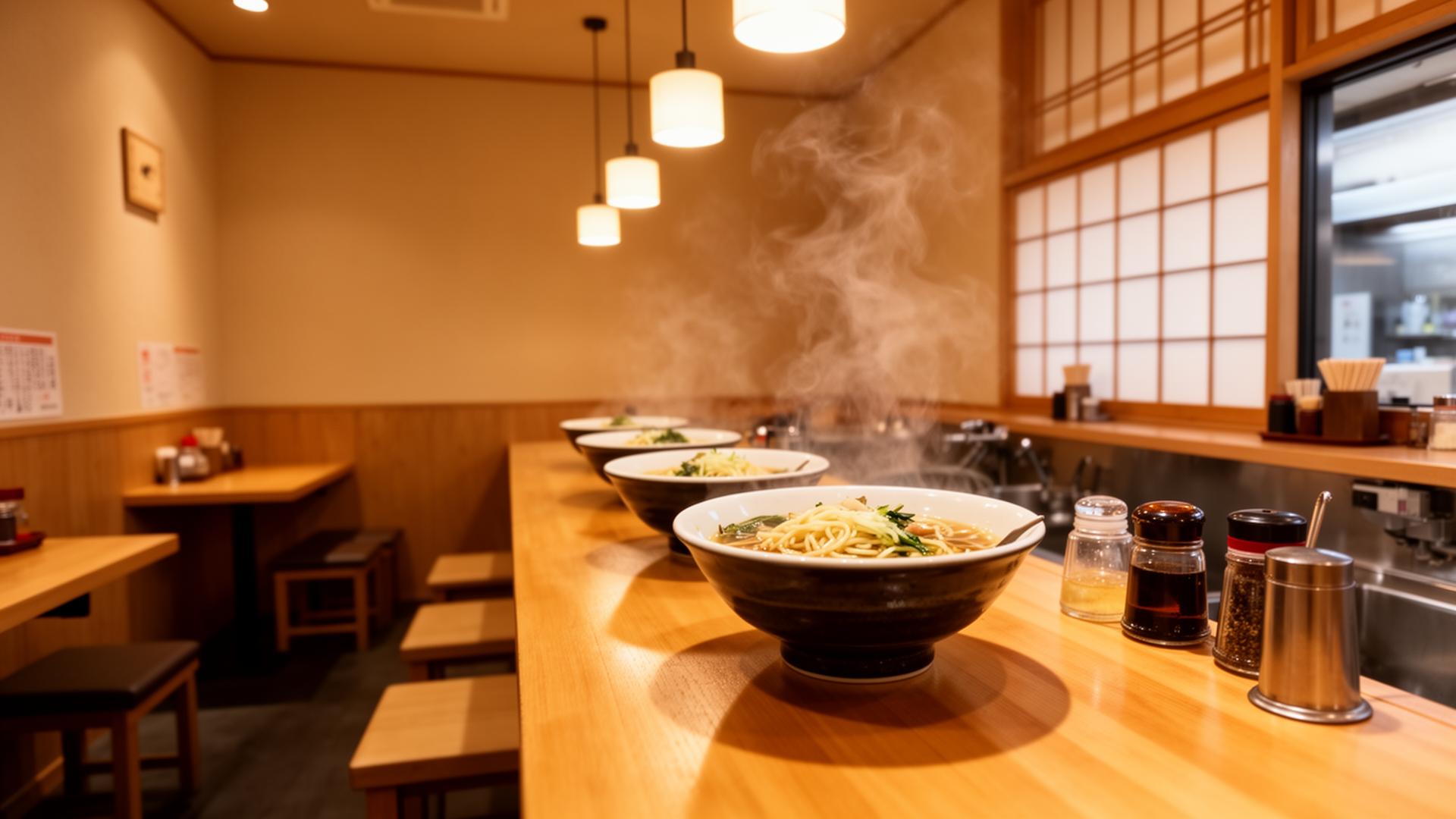
Hong Kong restaurant interior
Why clients choose LSC
Same-day Certificate of Insurance

Submit your documents in the morning — get your CoI in time to meet contract, venue or licensing requirements today.

Get my certificate today
Who we cover

Restaurant types we insure

From neighbourhood cha chaan teng to multi-branch concepts — we tailor cover to your kitchen, footprint and team size.

Chinese Food

Cantonese, congee, dim sum, wontons & dumplings

Japanese & Korean

Ramen, teppanyaki, sushi/sashimi, Korean BBQ

Desserts & Sweets

Cake shops, chocolate, Chinese tong sui, pastries

HK-Style Eateries

Cha chaan teng, ice rooms, noodle shops, dai pai dong

Fast Food

Sandwiches, burgers, food court outlets

Drinks & Takeaway

Bubble tea, coffee shops, upstairs cafés, tea houses

Western Restaurants

Spanish, French, Swiss, Portuguese cuisine

Hotpot, BBQ & More

Hotpot, steakhouses, skewers, pizza, vegetarian

Coverage

A complete package for your restaurant

Mix and match the modules you need. We tailor wording, sums insured and excesses to your menu, footprint and headcount.

Fire & Property All Risks

Decoration, fixtures, kitchen equipment and stock against fire, water damage, theft and accidental damage.

Public / Third-Party Liability

Customer slips, food-related incidents and property damage — including legal defence and settlement costs.

Employees' Compensation

Statutory cover for waiters, chefs, kitchen and delivery staff — work injury, occupational disease and death.

Business Interruption

Loss of gross profit and ongoing expenses when the restaurant must close after an insured event.

Money Insurance

Cash on premises, in transit to the bank and in safes — protected against theft and robbery.

Group Medical (Optional)

Hospital, surgical and outpatient cover for your team — a strong perk in a tight F&B labour market.

How it works

Insure your restaurant in 4 simple steps

01

Share your details

Tell us your restaurant type, address, opening hours, number of staff, positions and payroll — via WhatsApp or our enquiry form.

02

Formal quotation

We compare 30+ insurers and return a formal quote within 1–2 working days (3–4 days for large or chain restaurants), with cover, exclusions and premium clearly listed.

03

Confirm & submit documents

Confirm by WhatsApp, then submit the signed proposal form, last 3 months of MPF records and payment.

04

Policy issued

Once payment is received we instruct the insurer; e-policy is emailed / WhatsApped, or a hard copy is mailed to your address.

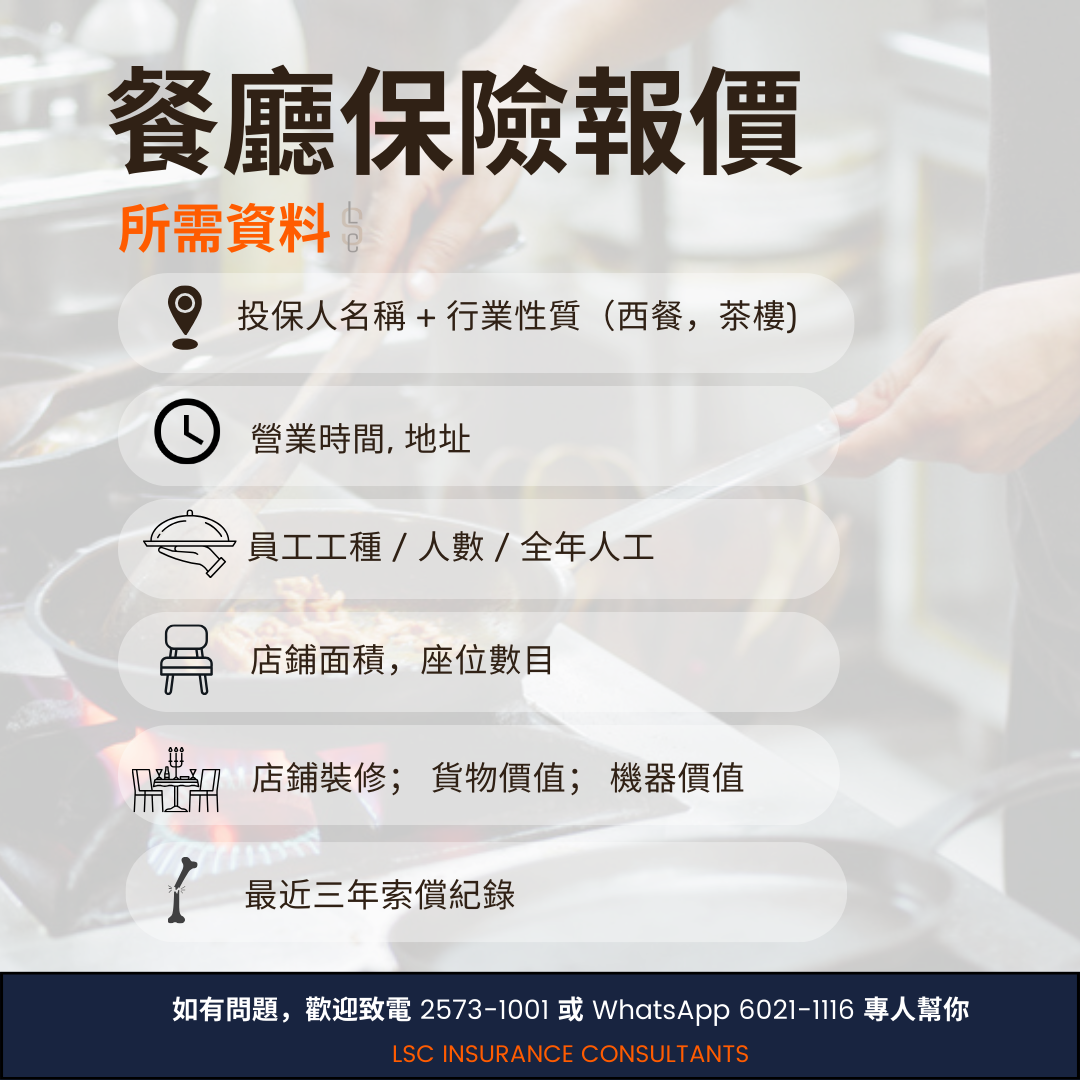
Quote checklist

Information we need to quote your restaurant insurance

Send us the following and we'll usually come back to you the same day.

  • Insured name + nature of business (e.g. Western restaurant, Chinese tea house)
  • Business hours & address
  • Staff roles, headcount & total annual wages
  • Shop floor area & number of seats
  • Value of fit-out, stock and equipment / machinery
  • Last 3 years' claims record
Restaurant insurance quote requirements checklist
Policy education

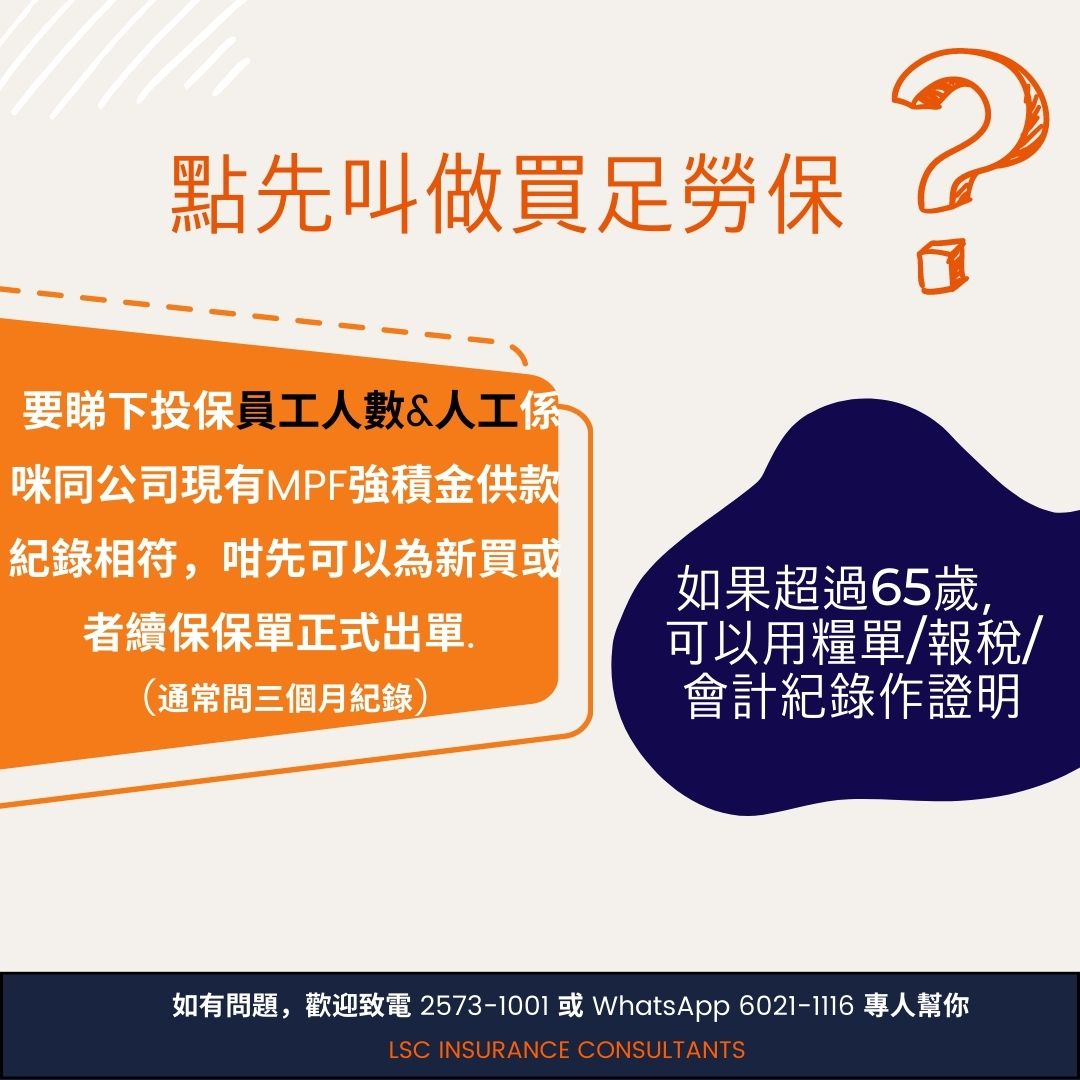
What does it mean to buy enough EC cover?

Insurers want to see your declared headcount and wages match your actual MPF contribution records — otherwise claims can be reduced or repudiated. Here's the rule of thumb HK insurers apply when issuing or renewing an EC policy.

Headcount & wages must match MPF records

Insurers usually request the latest 3 months of MPF contribution records before issuing a new or renewal EC policy. The names, headcount and wages on the proposal should match.

Staff aged over 65 — alternative proof accepted

Employees over 65 are exempt from MPF. For these workers you can provide salary slips, tax returns (IR56) or accounting records as proof of wages.

Under-declaring is risky

If actual wages exceed the declared figure at claim time, the insurer may apply average condition — paying only the proportion that was actually insured. Worst case: the claim is rejected for material non-disclosure.

  • Declare gross annual wages, not net pay
  • Include bonuses, commissions, allowances and overtime
  • Update mid-term when you hire or your wage bill grows
Ask us to review your EC policy
How to buy sufficient EC cover
Policy education

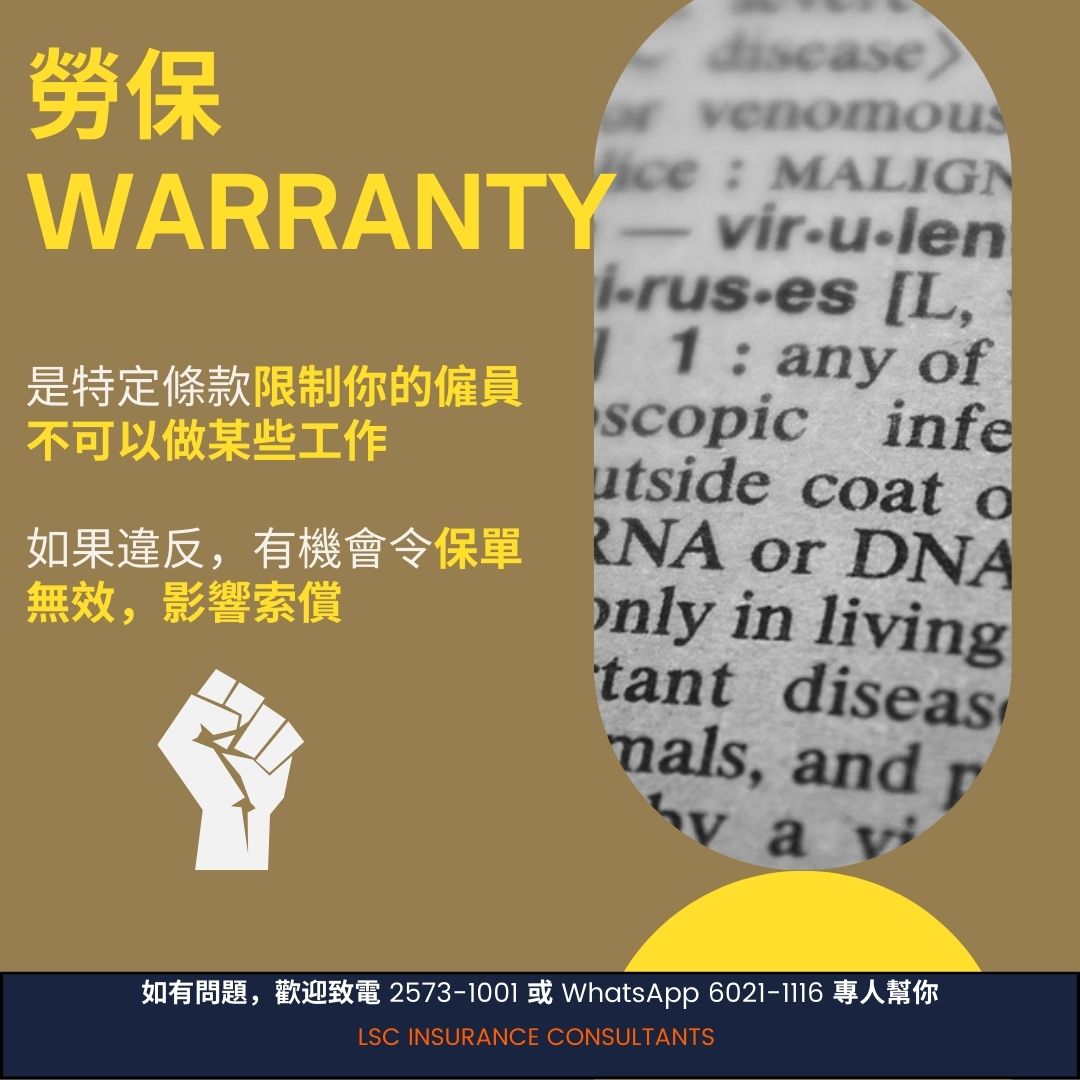
EC Warranty — what every employer should know

Insurers attach Warranties to your EC policy to control risk based on your industry. If your employees' actual work falls outside a Warranty, your policy may be voided and a claim refused.

What is a Warranty?

A specific policy clause that restricts what your employees are allowed to do. Breach a Warranty and the insurer may void the policy and refuse to pay a claim.

Always check before you bind

Review which Warranties the insurer attached and make sure none of them conflict with what your team actually does on the job.

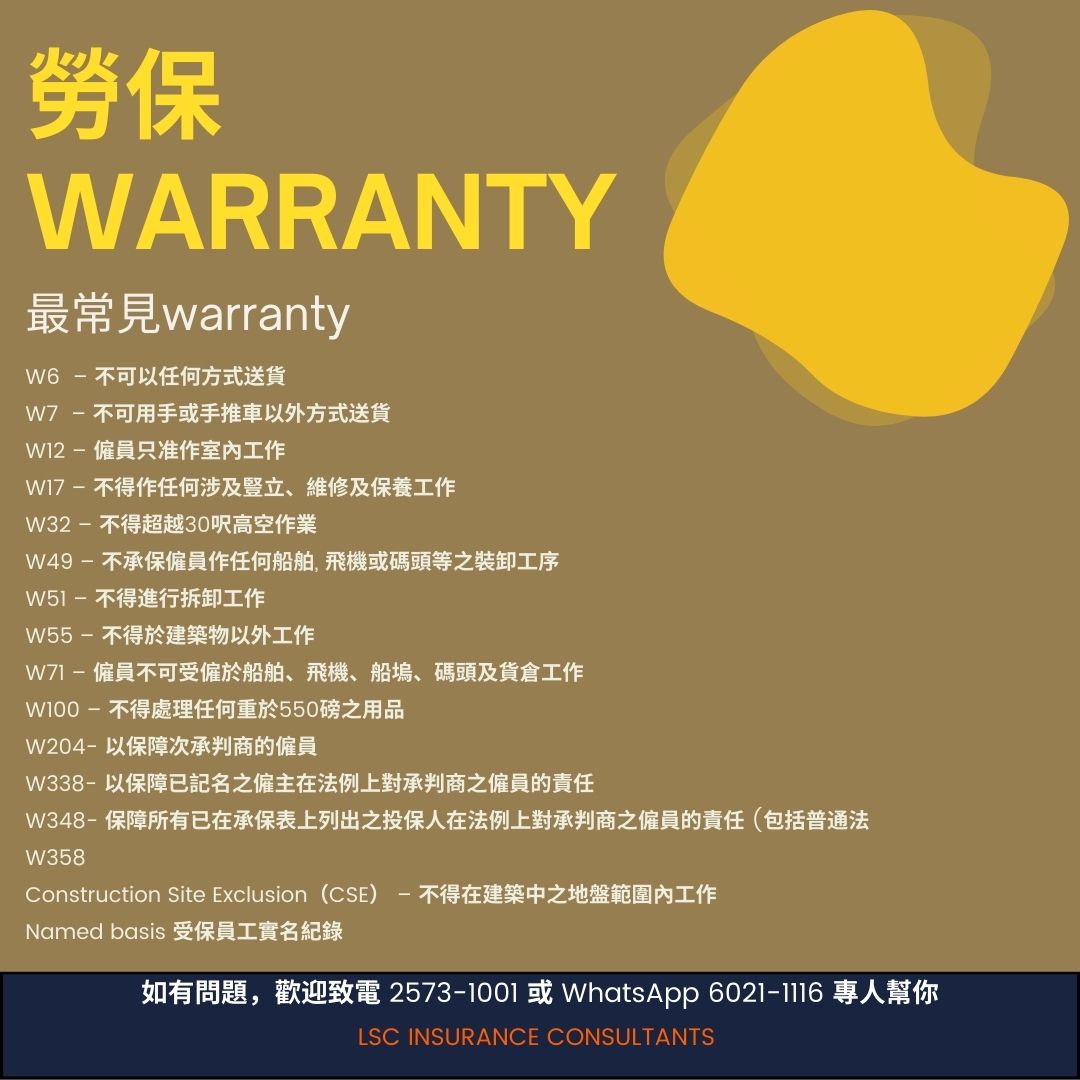
Most common EC Warranties

For reference only — exact wording follows the policy schedule.

  • W6No delivery of goods by any means
  • W7No delivery other than by hand or hand-trolley
  • W12Employees restricted to indoor work only
  • W17No erection, repair or maintenance work
  • W32No work above 30 feet (height)
  • W49Excludes loading/unloading on vessels, aircraft or docks
  • W51No demolition work
  • W55No work outside the building
  • W71Employees not employed on vessels, aircraft, docks, piers or warehouses
  • W100No handling of items over 550 lbs
  • W204Extension to cover sub-contractors' employees
  • W338Covers the named principal's legal liability for sub-contractors' employees
  • W348Covers all insured listed on schedule for legal liability to sub-contractors' employees (incl. common law)
  • CSEConstruction Site Exclusion — no work within a construction site
  • Named basisCover applies on a named-employee basis only

Not sure if a Warranty fits your operations? Send us your policy — we'll review it and flag any clause that may conflict with your real work.

Who counts as an employee?

Which workers must be covered by EC?

Hong Kong's Employees' Compensation Ordinance covers anyone with an employer–employee relationship — regardless of hours, location or contract type. Self-employed individuals and independent sub-contractors fall outside.

Must be covered

  • Part-time employees
  • Salaried directors / bosses (of a Limited Co.)
  • Overseas employees on company assignment
  • Summer interns / trainees
  • Part-time domestic helpers

Not required

  • Sub-contractors (with their own staff)
  • Self-employed persons (no employer)

Sub-contractors should hold their own EC policy for their own staff.

I'm the boss — do I need EC for myself?

It depends on your company's legal structure. The trick: a Limited Company is a separate legal entity, so even the boss is technically its 'employee'.

Limited Company
ABC Limited

The company is the employer. Both the salaried director/boss and all salaried staff are employees of the company.

  • Salaried director / boss Required
  • Salaried employees Required
Unlimited Co. (Sole Prop / Partnership)
EFG Co.

The boss IS the business — legally self-employed, not an employee. EC is only required for the people they hire.

  • Boss = self-employed Not required
  • Salaried employees Required
Renewal time?

Already insured? Why get an alternative quote from us

Renewing on auto-pilot is the easiest way to overpay or stay under-covered. A 5-minute alternative quote gives you three concrete wins.

1

Review your existing policy

We read your current schedule and flag warranties, sums insured or exclusions that no longer fit your operations — before they hurt a claim.

2

Reset to a clean-claim rate

Quotes typically only consider the last 3 years of claims history. If a past incident is older than that, you're effectively a clean risk — and that often unlocks a lower premium.

3

Get a commercial-line specialist

If your current agent mainly handles life or personal insurance, EC and commercial claims can fall outside their day-to-day. A commercial specialist follows up your claim end-to-end.

FAQ

Restaurant insurance — answered

Ready to protect your restaurant?

Tell us about your concept on WhatsApp — we'll return a tailored quote within 1–2 working days.